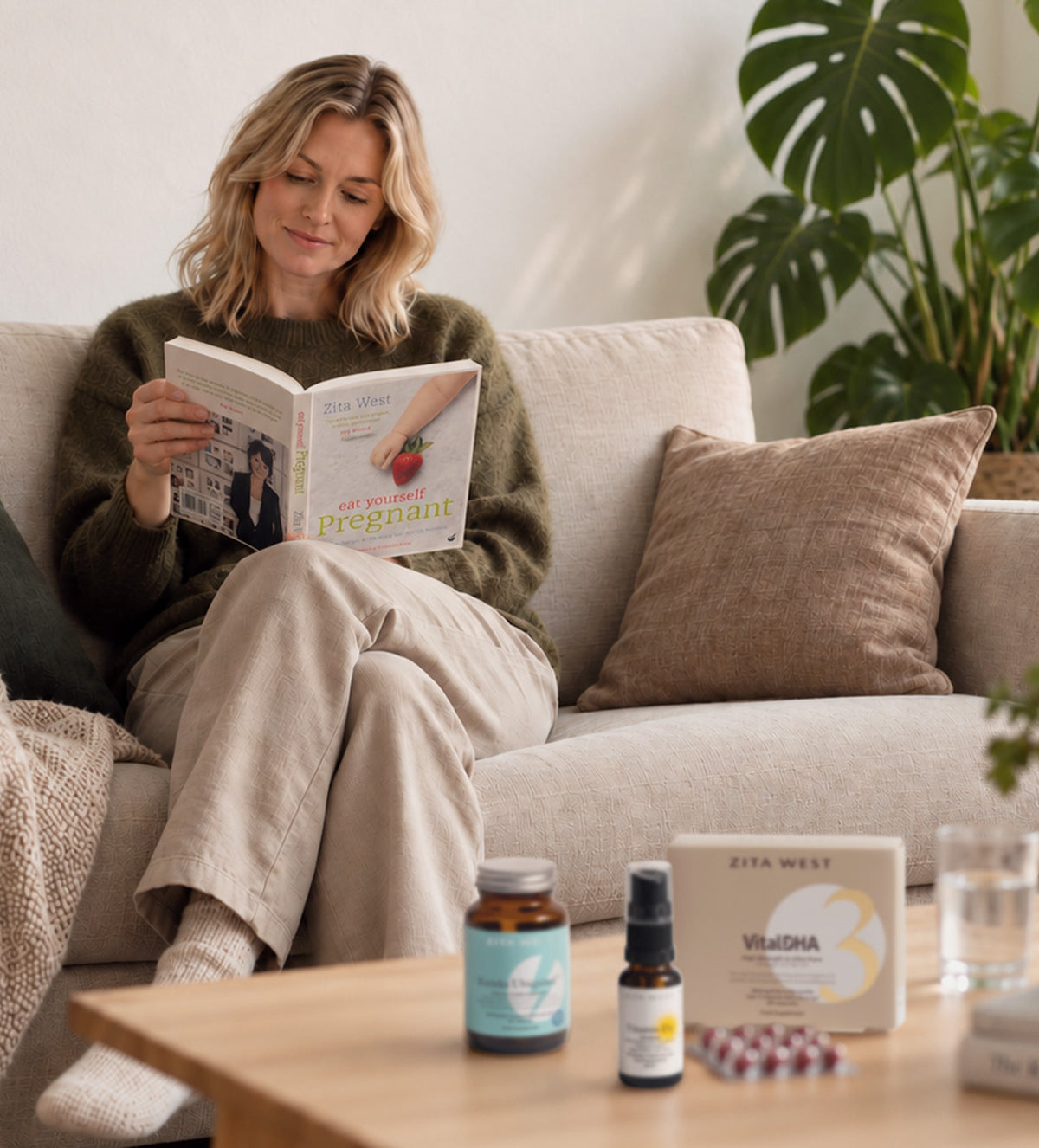
Preparing your body for IVF involves taking care of yourself physically and mentally in the run-up to treatment, and there's no single food or change that guarantees success, but a combination of good habits genuinely helps.
Diet: Focus on adding nutrient-dense foods rather than eliminating specific ones. Protein-rich foods like lean meats, fish, eggs, beans and lentils support hormone production and healthy follicle development. Healthy fats, particularly omega-3s from oily fish, nuts, seeds, avocado and olive oil, have anti-inflammatory properties that support hormone production. Wholegrains such as brown rice, quinoa and oats provide fibre and help regulate blood sugar and insulin sensitivity, and colourful fruit and vegetables, especially dark leafy greens, berries and citrus, are rich in the antioxidants associated with supporting implantation.
What to limit: Alcohol and smoking are best avoided entirely, caffeine kept to 200mg or less per day, and over-exercising minimised, as intense exercise can affect hormone levels, add stress to the body, and deplete nutrient reserves.
Lifestyle: Managing stress through techniques like meditation, yoga or deep breathing, and getting enough sleep (aim for at least seven hours) both matter just as much as diet, since high stress and poor sleep can negatively affect hormone balance and fertility. Guidelines suggest success rates are generally higher with a BMI between 19 and 30. If yours is above 30, it may be worth focusing on weight management before starting treatment.
Supplementation: Taking a targeted supplement helps ensure you're getting the full range of nutrients needed to support fertility during this period. Our Ultimate Female IVF Support Pack and Ultimate Male IVF Support Pack are specifically designed for this stage, bringing together the vitamins, minerals and antioxidants we recommend during IVF preparation, so you're not left guessing what to take or when. Our guide to preparing for IVF covers what you can control in the months before treatment.


 Third-Party Tested